
Pro Chancellor & Sr. Professor at JNU, Jaipur
From Rajasthan’s earliest COVID-19 cases to critical-care expansion, clinical research, state-level coordination and vaccination confidence-building, Dr. Sudhir Bhandari and the teams of SMS Medical College & Attached Hospitals worked across multiple fronts during the pandemic.
COVID-19 appeared in Rajasthan in the last week of February 2020. SMS Medical College and Attached Hospitals rapidly moved from routine tertiary-care operations to pandemic preparedness—planning prevention, containment, early diagnosis, immediate isolation, monitoring and treatment pathways while knowledge of SARS-CoV-2 was still evolving.
The institutional response brought together clinical medicine, critical care, diagnostics, laboratory science, public-health coordination and continuous protocol review. The objective was clear: identify disease early, prevent facilities from being overwhelmed and create sufficient capacity for patients requiring isolation, oxygen or intensive care.
The client management dossier documents a large treatment network built across Rajasthan to distribute the burden of COVID care across dedicated facilities rather than relying on a single tertiary institution.
Total treatment centres
COVID Care Centres
COVID Health Centres
Dedicated COVID hospitals
Private authorised hospitals
Oxygen-Supported Beds
RUHS Hospital formed a major part of Rajasthan’s dedicated COVID treatment infrastructure, supported by isolation facilities, oxygen-supported beds and intensive-care capacity.
The network approach allowed patients to be triaged according to severity while preserving specialised tertiary capacity for patients requiring advanced care.
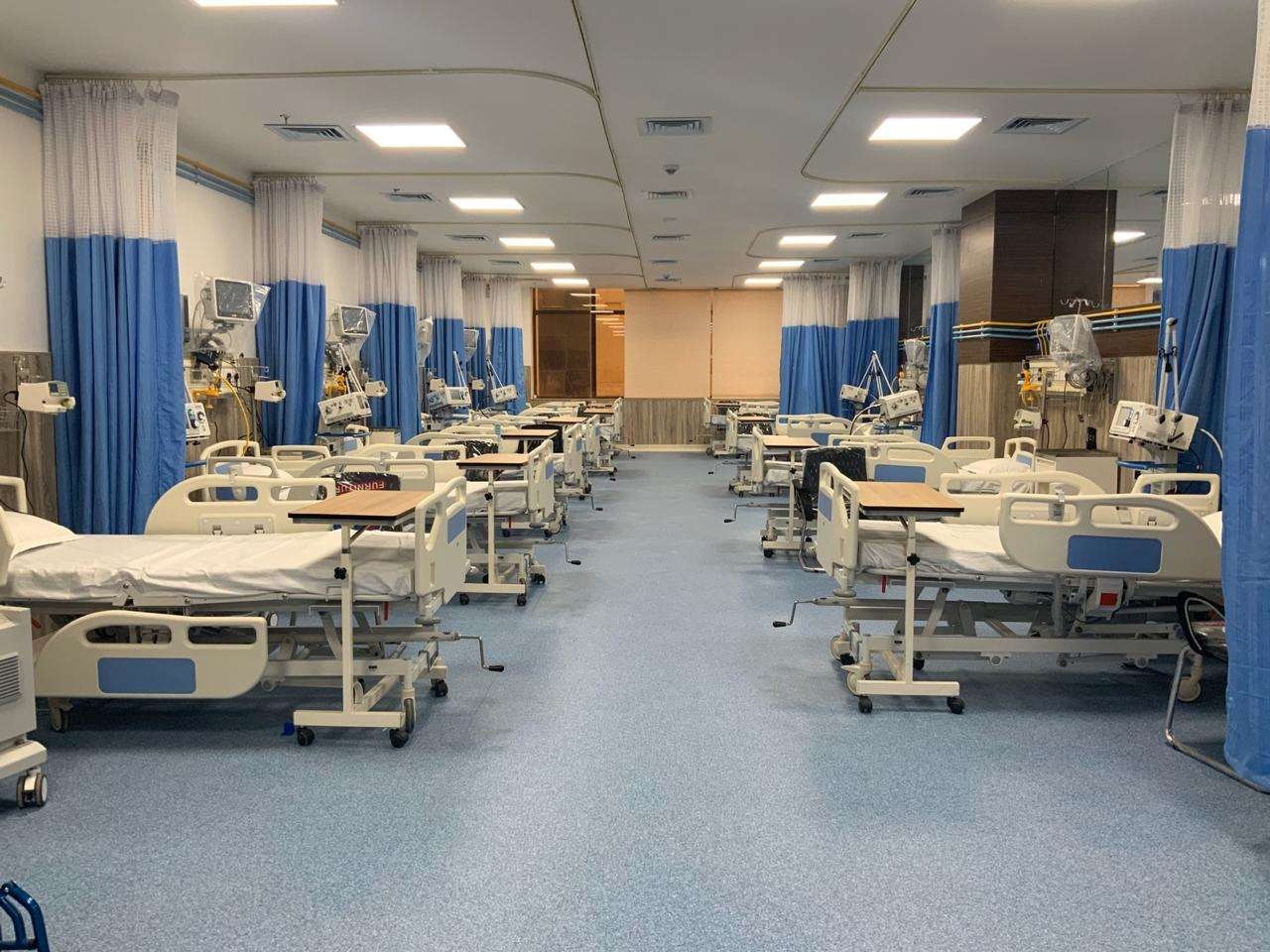
The emergency response was not limited to protocols; it required physical capacity at scale. The supplied dossier records a substantial expansion of isolation, oxygen-supported and intensive-care beds for COVID patients.
Isolation beds
Oxygen-supported beds
ICU beds
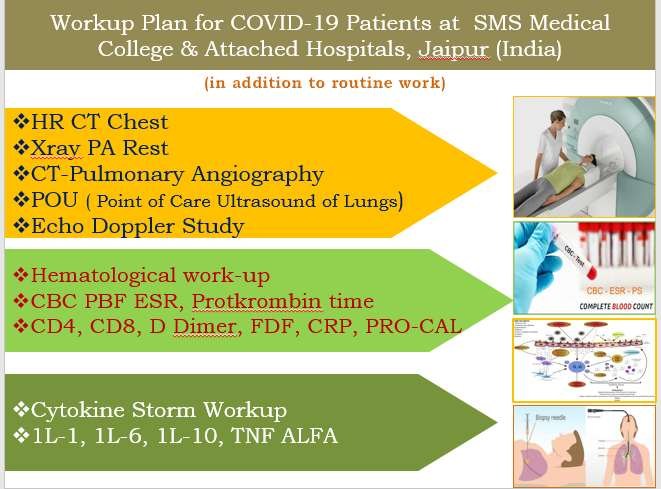
Alongside RT-PCR, the documented work-up included HRCT chest, chest X-ray, CT pulmonary angiography, point-of-care lung ultrasound and Echo Doppler where clinically indicated. Laboratory monitoring included haematological parameters, coagulation markers, D-dimer, CRP, procalcitonin and cytokine-storm evaluation.
The purpose was to identify disease severity, thrombotic risk, inflammatory complications and deterioration early enough to guide escalation of care.
COVID-19 demanded care and learning at the same time. SMS Medical College combined frontline clinical service with research intended to understand the new disease and improve decision-making as evidence evolved.
Systematic observation of presentation, co-morbidities, investigations, treatment and outcomes among hospitalised patients.
The dossier records post-mortem core-needle lung biopsy work, undertaken with ethics and regulatory permissions, to study COVID-19 pathogenesis and pathophysiology.
Imaging, coagulation assessment, inflammatory markers and bedside observations were used to continuously refine management according to disease stage and severity.
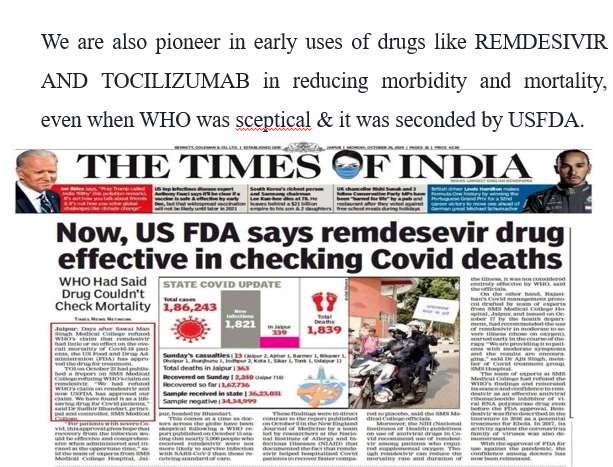
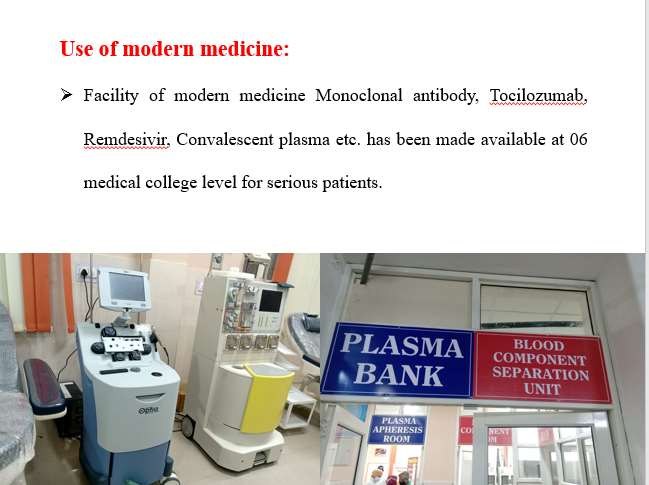
The client dossier documents the use, evaluation and discussion of therapies that were being explored during different phases of the pandemic, including hydroxychloroquine, antiviral combinations, remdesivir, Tocilizumab and convalescent plasma.
Historical context: treatment guidance changed repeatedly as larger trials and national/international recommendations evolved. This section records the institution’s pandemic-era clinical work rather than presenting current treatment advice.
After regulatory permissions, SMS Hospital initiated convalescent-plasma use in selected COVID-19 patients. Contemporary reporting documented encouraging early clinical observations in the initial patients and the programme became part of Rajasthan’s early treatment response.
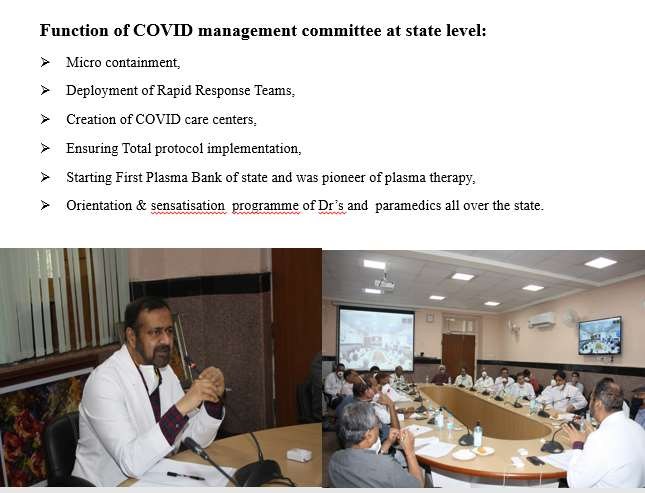
The state-level COVID management work described in the dossier also includes establishment of a plasma bank and wider treatment coordination.
The supplied material describes a broader management role encompassing micro-containment, Rapid Response Teams, creation of COVID care centres, protocol implementation, plasma-bank development and orientation of doctors and paramedical teams across Rajasthan.
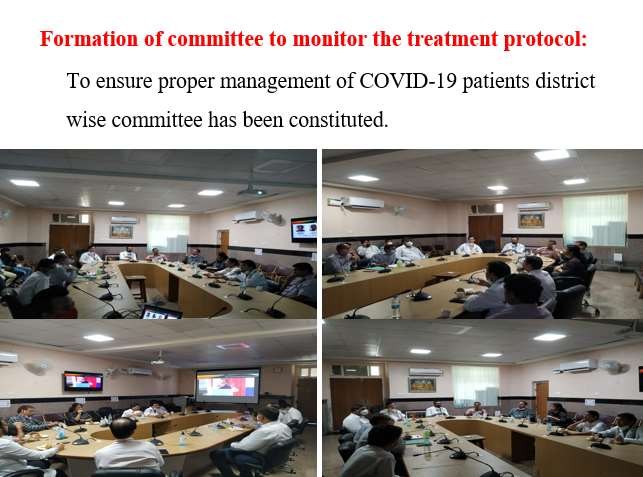
The document records the formation of district-wise committees to monitor COVID-19 patient management. This created a structured mechanism for reviewing treatment implementation, supporting clinical teams and promoting consistency across facilities.
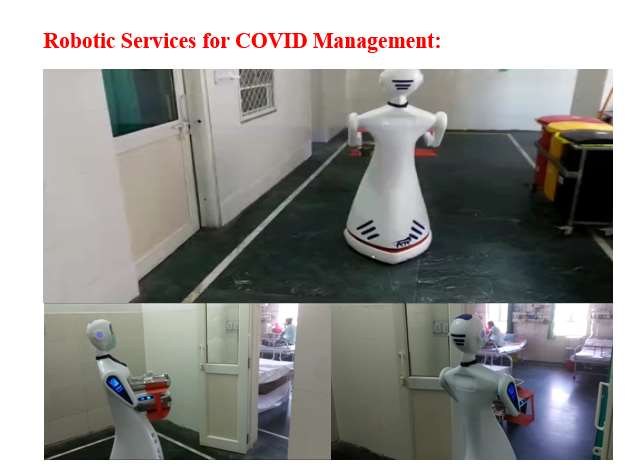
One of the more distinctive innovations documented by the client is the use of robotic services within COVID management areas. Such systems could support contact-minimised delivery and routine ward interactions in high-risk environments.
This deserves visibility because it shows how the response extended beyond conventional ward operations into practical technology adoption.
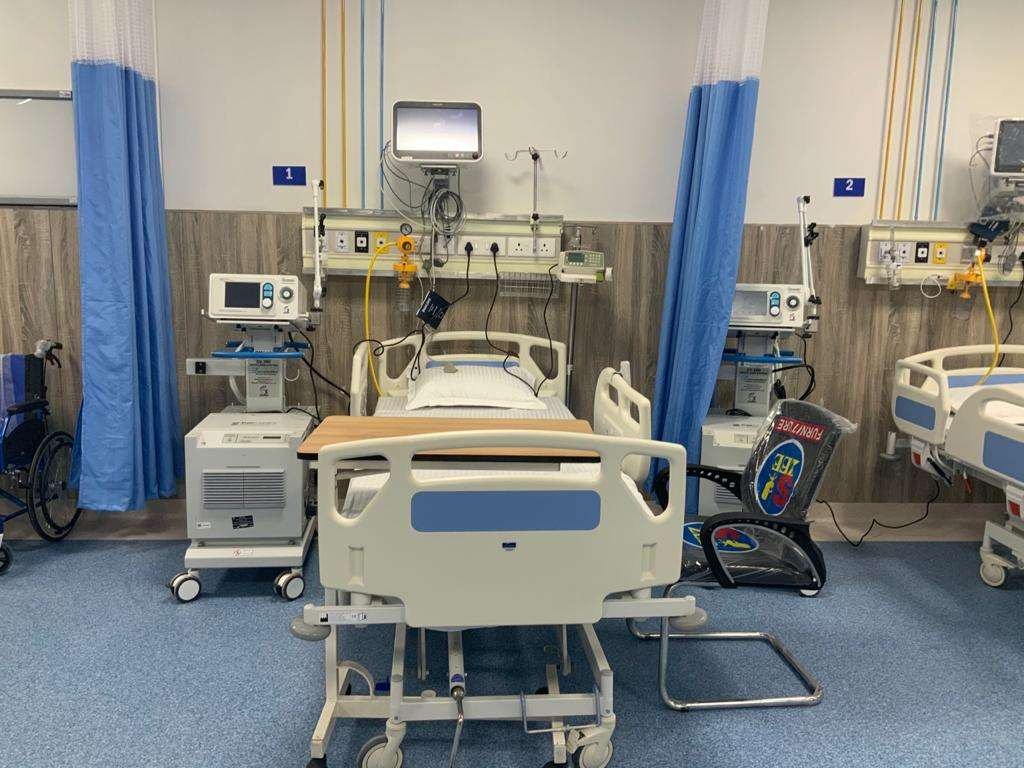
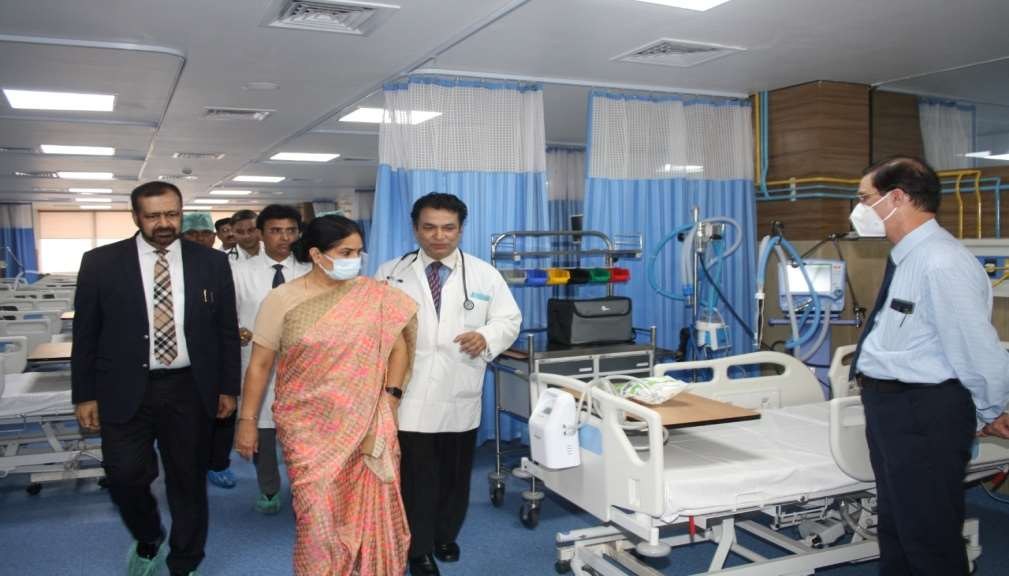
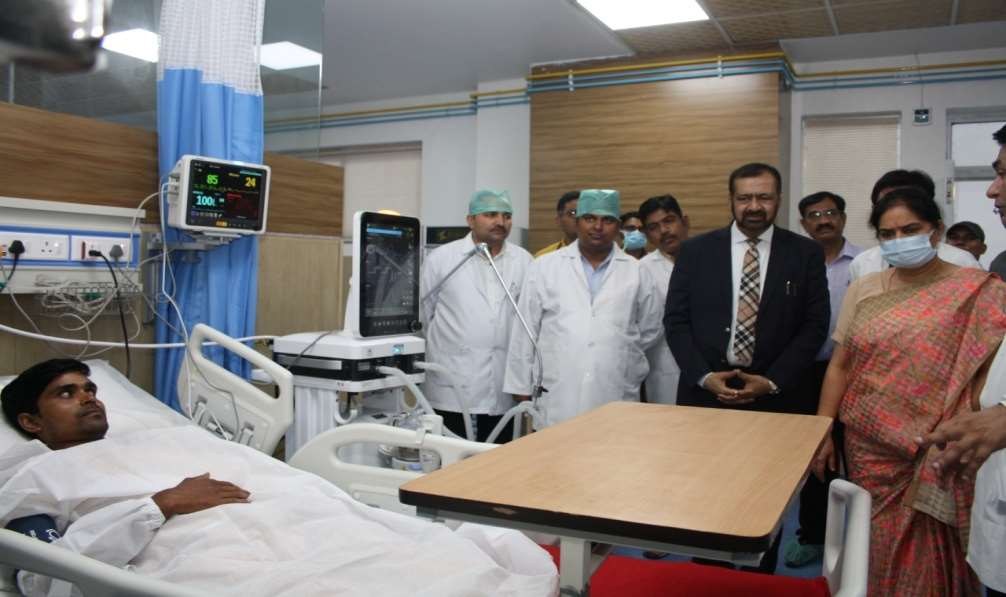
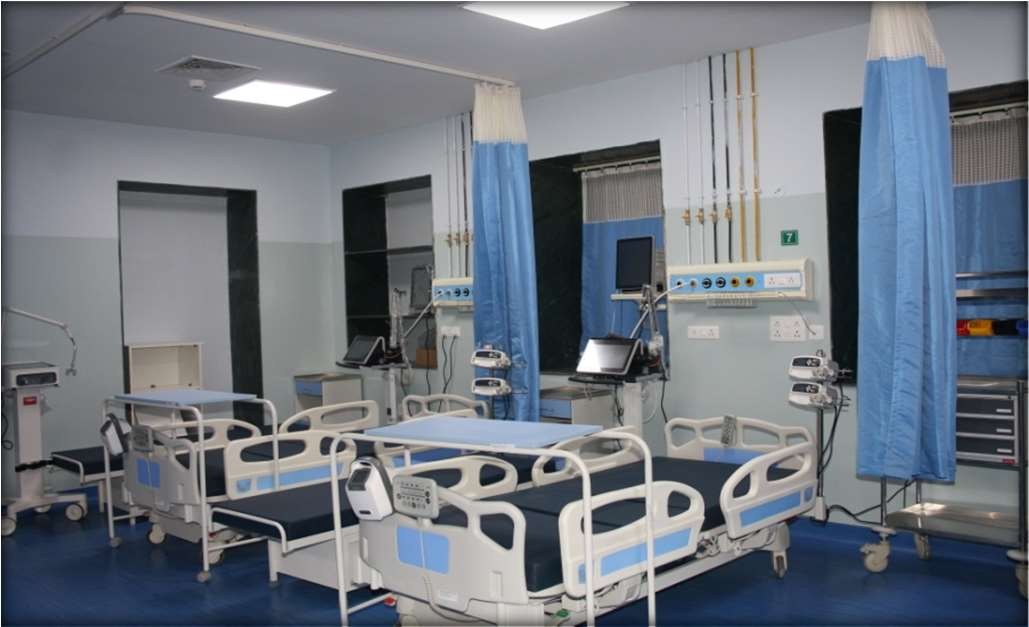
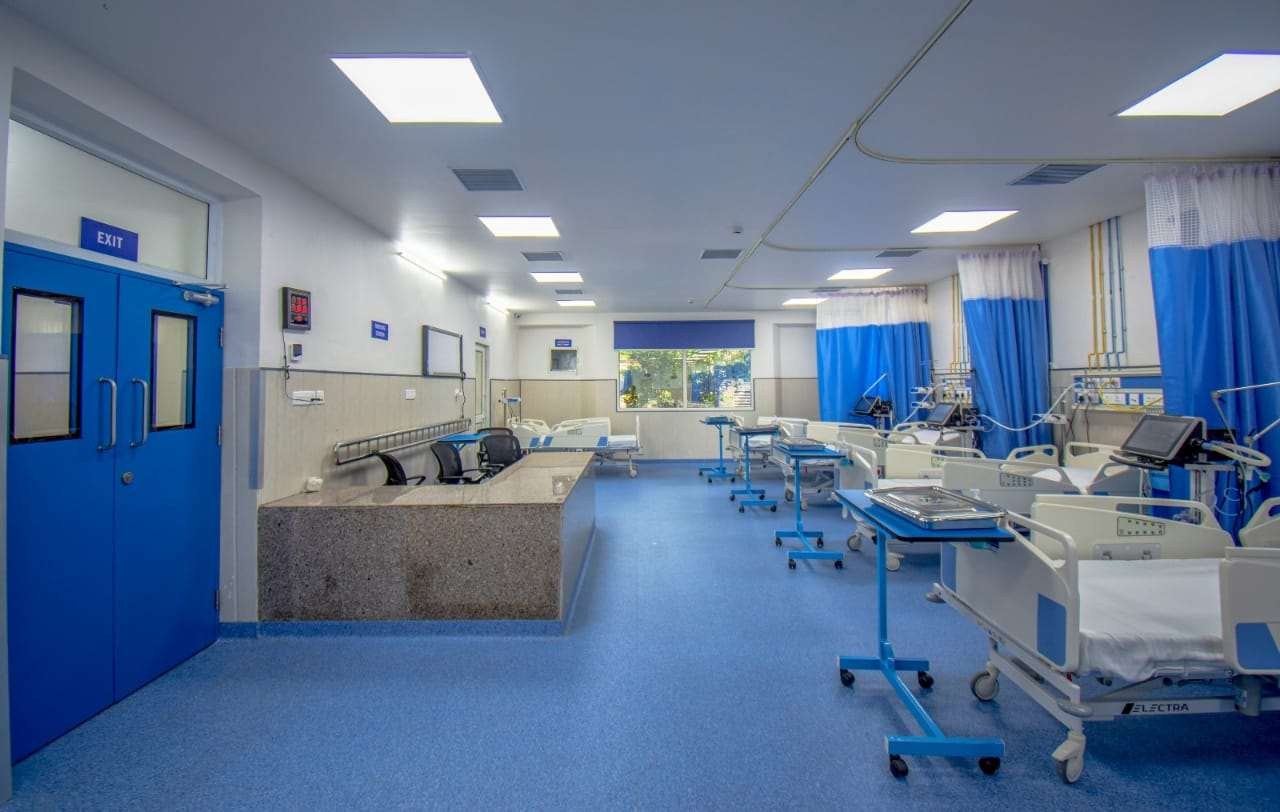
The RUHS COVID ICU photographs document the physical infrastructure behind the statistics: monitored beds, oxygen and critical-care equipment, clinical rounds and multidisciplinary review.
COVID ICU capacity
Critical-care bed and monitoring
Clinical rounds in COVID ICU
Bedside clinical review
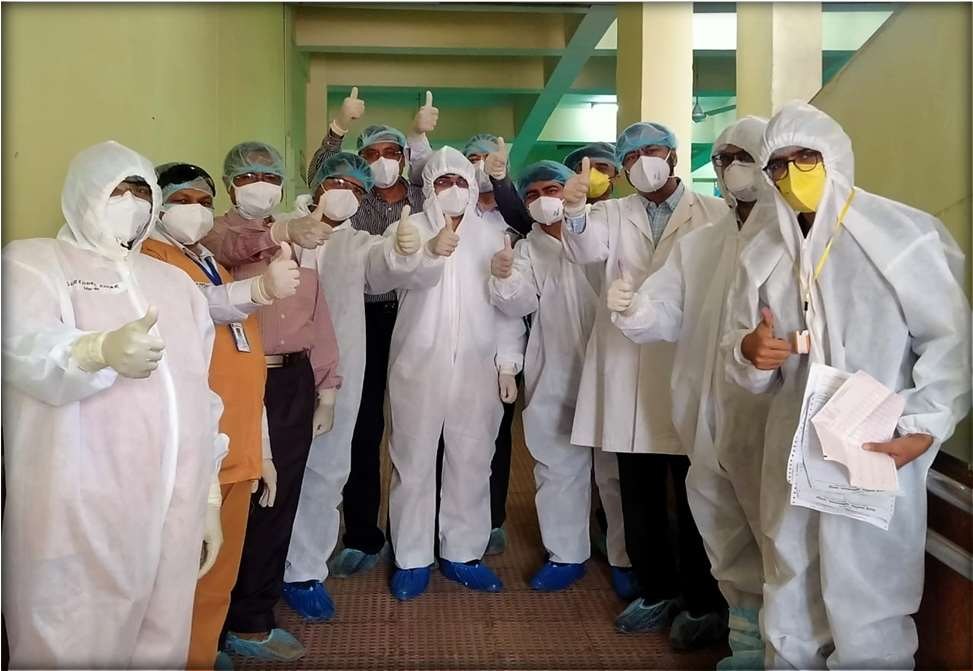
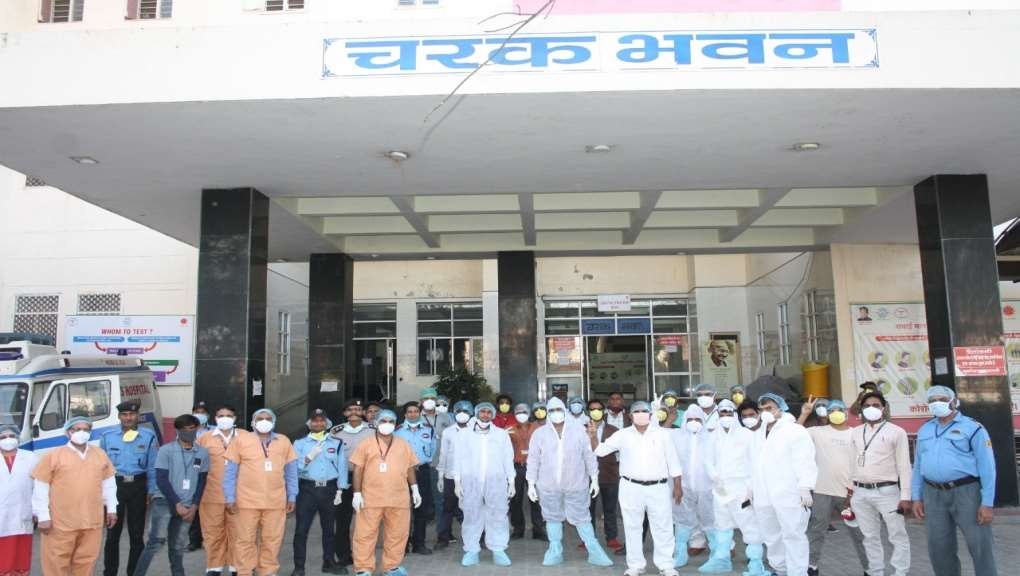
Facilities and protocols were only part of the response. Doctors, residents, nurses, technicians, laboratory teams, ward staff and support personnel sustained continuous high-risk duty across isolation areas, ICUs and clinical services.
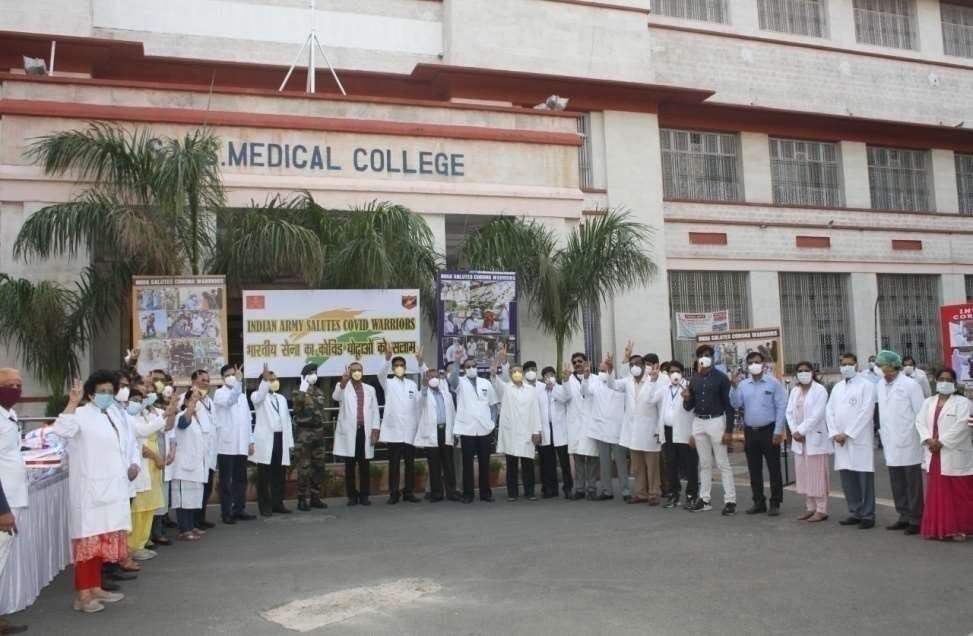
SMS Medical College COVID warriors
Clinical team at Charak Bhawan
Frontline clinical teams during COVID duty
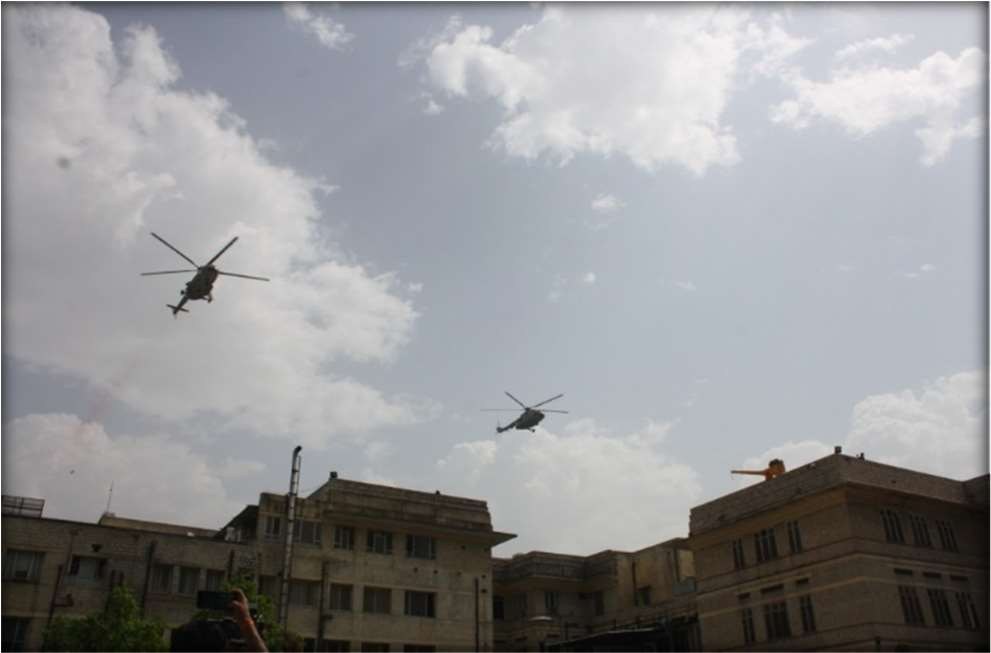
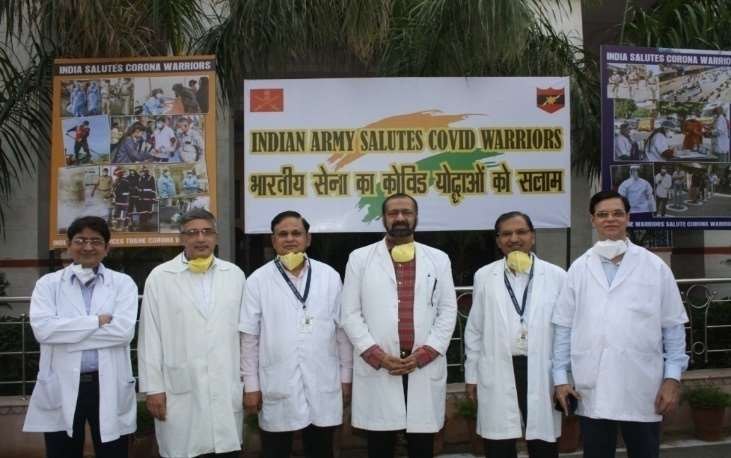
The client material preserves images from the Armed Forces tribute to COVID warriors, including the flypast over the medical campus and public acknowledgement of doctors and healthcare teams.
These photographs add an important human and national dimension to the institutional COVID story.
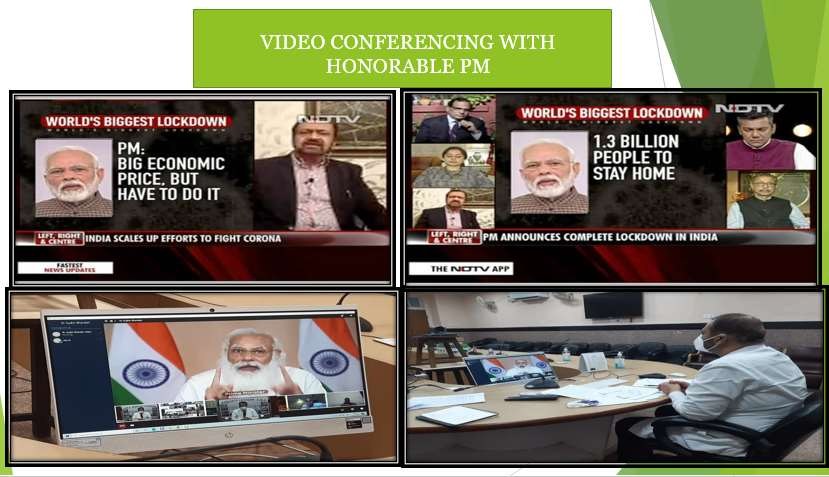
During the nationwide COVID-19 response, Dr. Sudhir Bhandari participated in video-conference discussions connected with Prime Minister Narendra Modi and senior health leadership, contributing from the perspective of frontline clinical management, hospital preparedness and Rajasthan’s evolving COVID-19 response.
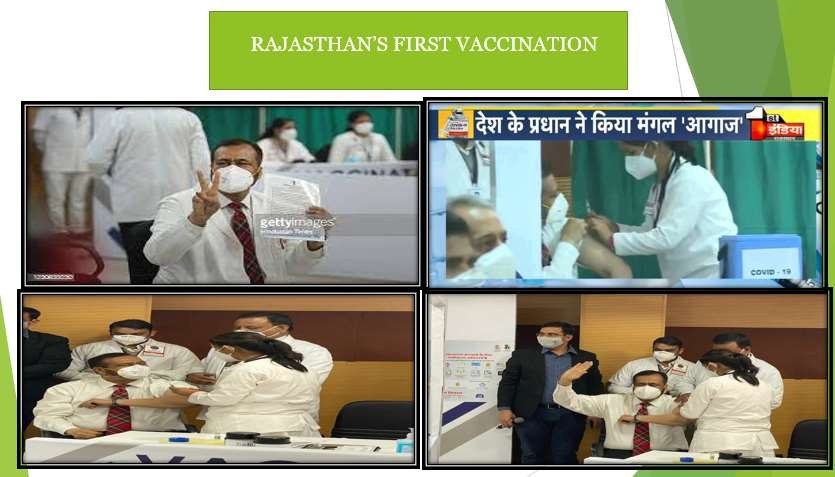
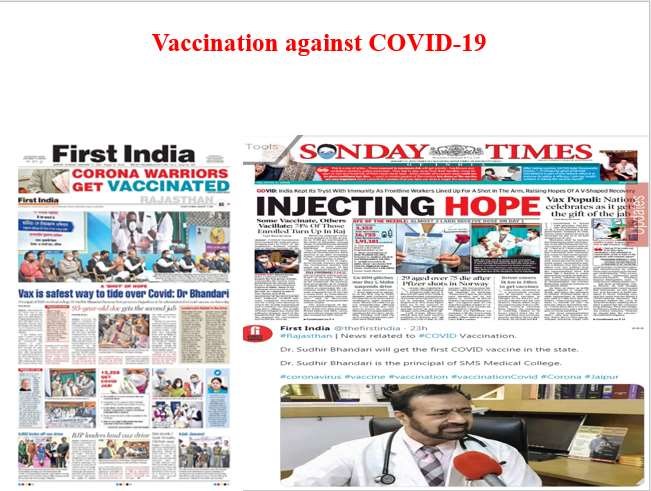
Dr. Sudhir Bhandari became the first health warrior vaccinated at the launch of Rajasthan’s COVID-19 vaccination programme. The public act carried symbolic importance at a time when confidence among healthcare workers and the wider public was essential to the vaccination rollout.
The supplied material also preserves substantial newspaper and television coverage from the vaccination phase.
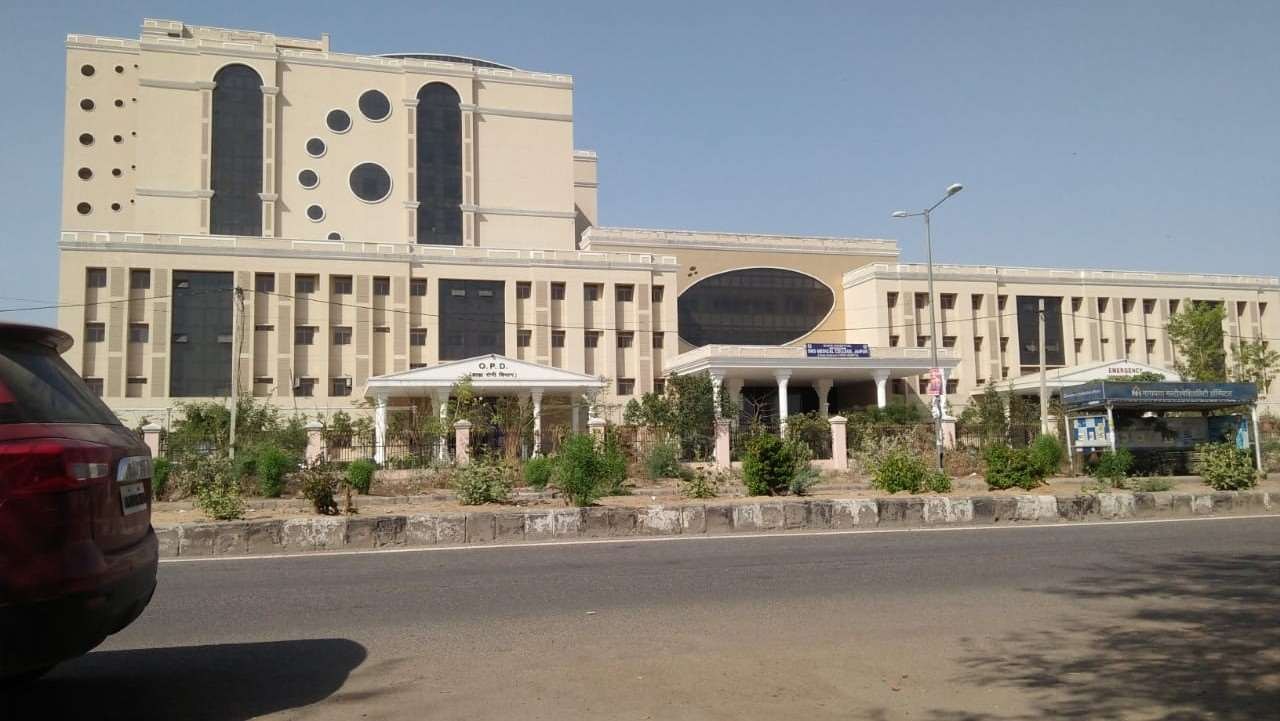
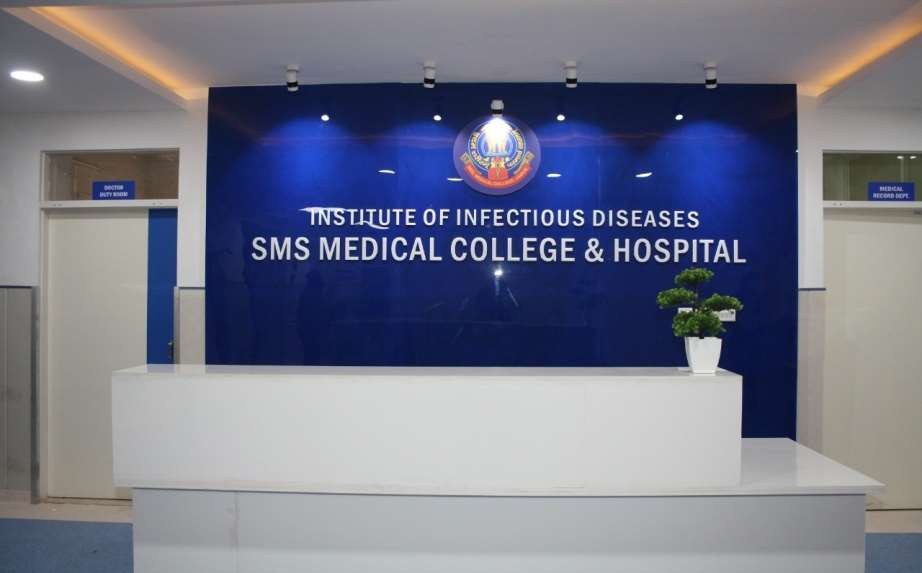
The COVID period reinforced the importance of dedicated infectious-disease infrastructure. The supplied dossier documents specialised facilities within SMS Medical College & Hospital designed for isolation, monitored care and future infectious-disease preparedness.
The COVID-19 pandemic tested every layer of the health system. The record preserved by SMS Medical College shows a response that extended from bedside care and critical-care expansion to scientific investigation, state-level coordination, technology adoption, workforce mobilisation and vaccination leadership.
For Dr. Sudhir Bhandari, this period represents one of the most consequential chapters of his tenure as Principal & Controller—defined not by a single intervention, but by the collective work of teams responding to an unprecedented public-health emergency.

Pro Chancellor & Sr. Professor at JNU, Jaipur
Professor Emeritus, SMS Medical College & Attached Group of Hospitals, Jaipur
Designed & Maintained By Eptins Enterprises